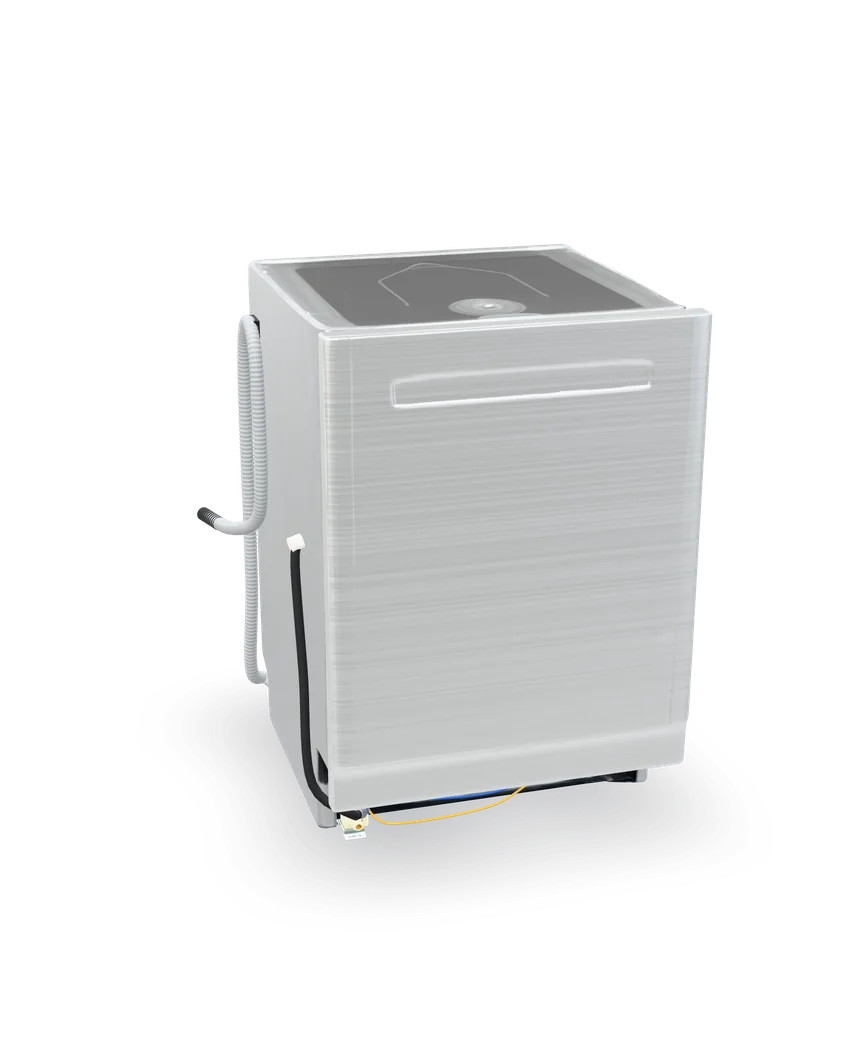
Dishwasher not drying dishes
Some wet plastic is normal. Everything wet and cool is not. Rinse aid, the dry setting and the heating element are the usual answers.
Check these first
Five-minute checks, no tools
Fill the rinse aid
Check the rinse aid dispenser on the door and top it up.
Heated dry on
Choose a cycle with heated dry, or turn on heated dry or extra dry, if your dishwasher has it. Quick and eco cycles dry less.
Run the tap hot first
Run the kitchen tap until it is hot before starting, so the dishwasher fills with hot water.
Unload the bottom first
Water pooled on top-rack cups spills onto the bottom rack. Unload the bottom rack first.
Likely causes
Ranked by how often they are the problem
- 1DIY fix
Rinse aid empty or dry setting off
No rinse aid, or heated dry turned off. The simplest fix.
- 2DIY fix
Heating element
Dishes come out wet and cool, and the element tests open.
Fix the heating element30 min–1.5 hr$40–$80 - 3DIY fix
Control or thermostat
The element tests good but never heats.
Fix the control board30 min–1 hr$100–$300
What's happening
What your dishwasher is doing
Many dishwashers use the heating element to warm the air in the tub during the dry step. Others dry with leftover heat from a hot final rinse, so the steam condenses on the tub, or with a fan. Those can leave dishes a little damper.
Rinse aid helps water sheet off the dishes instead of sitting in drops. Without it, many dishwashers dry poorly.
Plastic holds less heat than glass or china, so it often stays wet even when everything else is working.
Know your limits
When to call a pro
Stop and call a pro if
- The element tests good and the tub never warms. The thermostat, high-limit or control may be at fault.
- The breaker trips when the dishwasher starts to heat.
FAQ
Common questions
Is it normal for plastic to stay wet?
Yes. Plastic does not hold heat like glass or china, so it often has drops on it. Angle it on the rack so water runs off.
Does my dishwasher have a heating element?
Look at the tub floor. A thin metal loop there is the element. If there is none, the heater may be hidden under the tub, and it probably dries with leftover heat or a fan. Your manual will say.
Will a new element fix wet dishes?
Only if the old one has failed. Test it with a meter first. See the heating element guide.
Related
Keep going
- SymptomDishwasher not cleaning dishesDishes come out gritty, filmy or with food still on them. A clogged filter or spray arms cause most of it. Low water, cool water, or a weak wash pump are next.Open guide
- Dishwasher partHeating elementOn many dishwashers, a heating element in the tub floor heats the water and dries the dishes. A burned-out one leaves dishes wet and lukewarm. Test it with a meter and replace it from below.Open guide
- Dishwasher partControl boardThe control board runs every step of the cycle and powers the valve, pumps and heater. It fails less often than the parts around it. When it is the cause, swap it inside the door.Open guide
Get the next fix before it breaks
A short email when the seasons turn: filters to change, detector batteries to check, and new repair guides. No spam, unsubscribe any time.
We send it with Kit. Privacy