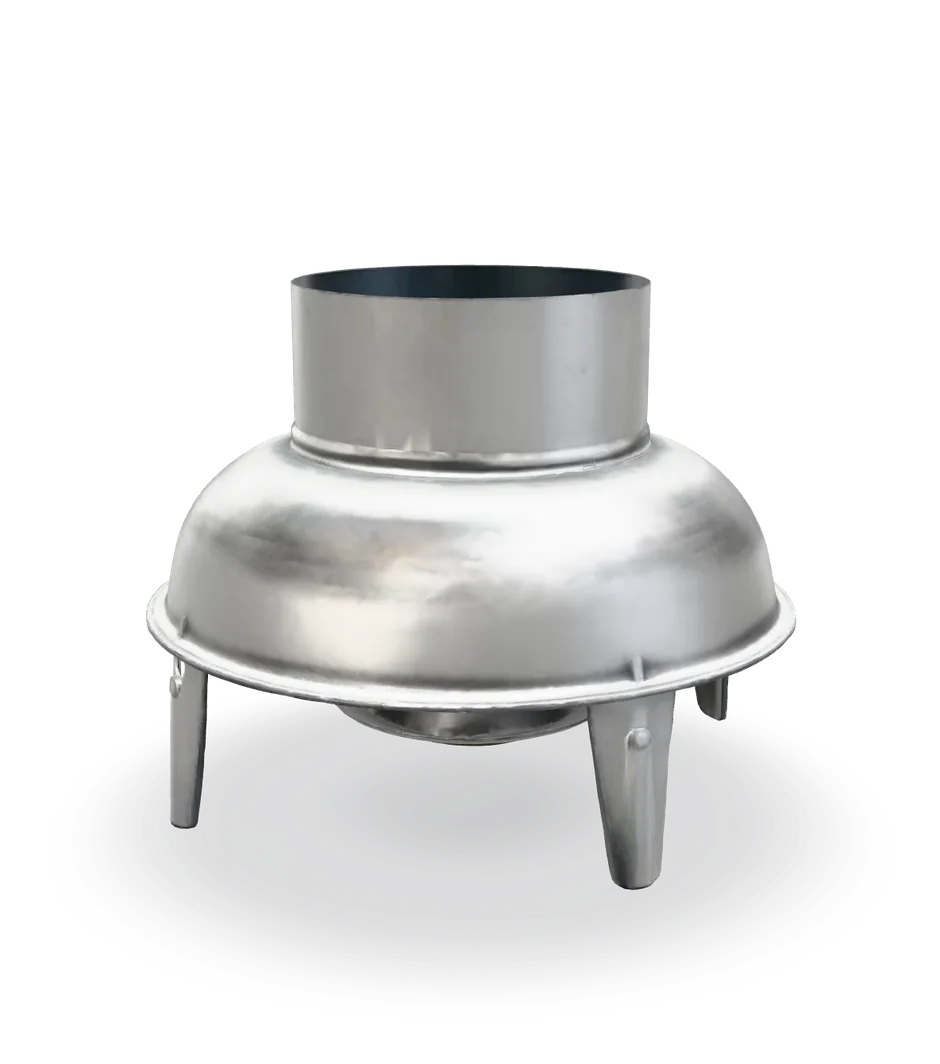
Water heater draft hood and vent: signs of backdrafting and when to call a pro
The draft hood and vent carry the heater's exhaust out of your house. When they do not, carbon monoxide can spill into the room. Here is what to look for, and why the fix belongs to a pro.
- Who fixes it
- A licensed pro
- Typical pro cost
- $100–$500
- Typical inspection or vent pipe repair. New venting costs more. Varies widely
Venting and carbon monoxide work. Diagnosing and fixing a vent takes training and test equipment, and a mistake can put carbon monoxide in the house. Leave it to a pro.
What it does
What the draft hood does
Gas water heaters only. Hot exhaust from the burner rises through a flue in the tank. On top of the heater, the draft hood connects that flue to the vent pipe that carries the exhaust up and out of the house.
The hood has an open gap around it. That gap lets some room air mix into the vent while the burner runs, which keeps the draft at the burner from getting too strong.
When everything works, warm exhaust rises up the vent on its own. When it does not, the exhaust comes out of that gap into the room instead. That is called spillage or backdrafting, and the exhaust carries carbon monoxide and moisture.
Why it fails
The hood itself is a simple metal part. Most trouble is in the vent: a pipe that has slipped off the hood, come loose at a joint, sags or dips, is too small, or has rusted through.
Blockages are the other cause. Debris in the hood or the vent, or a blocked chimney, can stop the exhaust from leaving.
A heater may spill a little for a short time right after the burner lights, until the vent warms up. Spilling that keeps going, or the signs below, mean something is wrong.
Symptoms
Signs the draft hood is failing
Soot on top of the tank or around the hood
Black soot on top of the heater, around the draft hood or on the vent pipe means exhaust has been coming back out. Treat it as a carbon monoxide warning and call a pro.
Melted or scorched plastic near the hood
Melted plastic parts, scorch marks or heat damage on fittings near the top of the heater are a strong sign that hot exhaust is spilling out of the hood.
Rust on top of the tank
Exhaust carries a lot of moisture. When it spills, rust and corrosion build up on top of the tank. Rust right under a leaky valve or fitting is a different problem, a water leak.
Rusty, streaked, loose or disconnected vent
Rusting or water streaks on the vent, or a vent pipe that is loose, sagging or not sitting on the hood, are carbon monoxide clues. Do not push it back yourself. Call a pro.
Heavy condensation near the heater
A lot of condensation on cold pipes near the heater can be moisture from spilling exhaust.
Safety first
Stay safe until it is fixed
- 1
Smell gas? Leave first
Do not light anything, touch electrical switches or use a phone inside. Leave the house right away and call your gas utility from outside or a neighbor's phone.
- 2
CO alarm going off? Get out
Get everyone, pets included, outside into fresh air and call 911. Do not go back in until emergency responders say it is safe.
- 3
See soot or a loose vent? Turn it off
Turn the gas control knob to OFF as the label shows and call a pro. Do not reattach, tape or seal the vent yourself.
What a pro does
What to expect from the service call
- Look over the draft hood, vent connector and chimney or vent for soot, rust, loose joints, sags and blockages.
- Run the heater and check whether the exhaust goes up the vent or spills out of the hood once the vent has warmed up.
- Check the heater and the area around it for carbon monoxide warning signs.
- Repair or replace the vent connector so it is the right size, sealed at the joints, rises all the way to the vent and sits properly on the hood.
- Clear any blockage, and check the burner too, since soot can also come from a poor flame.
Know your limits
When to call a pro
Stop and call a pro if
- Your CO alarm goes off. Get everyone out, call 911 from outside, and have the heater checked before it runs again.
- You smell gas at any point. Leave the house and call your gas utility from outside.
- You see soot, melted plastic or scorch marks on or around the top of the heater.
- The vent pipe is rusty, streaked, loose, sagging or not sitting on the draft hood.
- You see rust building up on top of the tank or heavy condensation near the heater.
FAQ
Draft hood and vent questions
What is water heater backdrafting?
It is when the exhaust from the burner comes back out of the draft hood into the room instead of going up the vent. The exhaust carries carbon monoxide and moisture, so it is a safety problem, not just a nuisance.
Can I fix a loose water heater vent myself?
No. A vent that came loose usually has a reason, such as the wrong size, a poor slope or a blockage, and a pro needs to check that the exhaust actually leaves the house after the fix. Turn the heater off at the control and call a pro.
Do I need a CO alarm near my gas water heater?
Yes, have working carbon monoxide alarms in your home. Carbon monoxide has no smell or color, so an alarm is the only way you will know. If it sounds, get everyone outside and call 911.
Safety agencies also recommend having fuel-burning appliances, water heaters included, inspected by a professional.
Has my water heater been recalled?
Some gas water heaters have been recalled over carbon monoxide risks. Note the model and serial number from the rating plate and check the recall listings from the U.S. Consumer Product Safety Commission.
Related
Keep going
- SymptomWater heater not heating: no hot waterEvery hot tap runs cold. On an electric heater it is usually power, a tripped high-limit reset, an element or a thermostat. On a gas heater, start with the gas supply and the pilot.Open guide
- SymptomWater heater pilot won't stay litThe pilot lights but goes out, or will not stay on after you follow the lighting instructions. The usual cause is the thermocouple. A dirty pilot, a clogged air intake or the gas control can do it too. Repairs are pro work.Open guide
- Water heater partBurner assemblyGas water heaters only. The burner sits under the tank and heats the water with a blue flame. Dust and lint upset the flame, which makes soot and carbon monoxide. Burner work is for a pro.Open guide
- Water heater partPilot assemblyGas water heaters only. The pilot assembly makes the small, steady flame that lights the main burner. A dirty or worn pilot will not stay lit. Cleaning or replacing it is pro work on sealed-chamber heaters.Open guide
- Water heater partGas control valveGas water heaters only. The gas control valve is the heater's thermostat and gas valve in one. It decides when gas reaches the burner and shuts it off if something is wrong. Testing or replacing it is pro work.Open guide