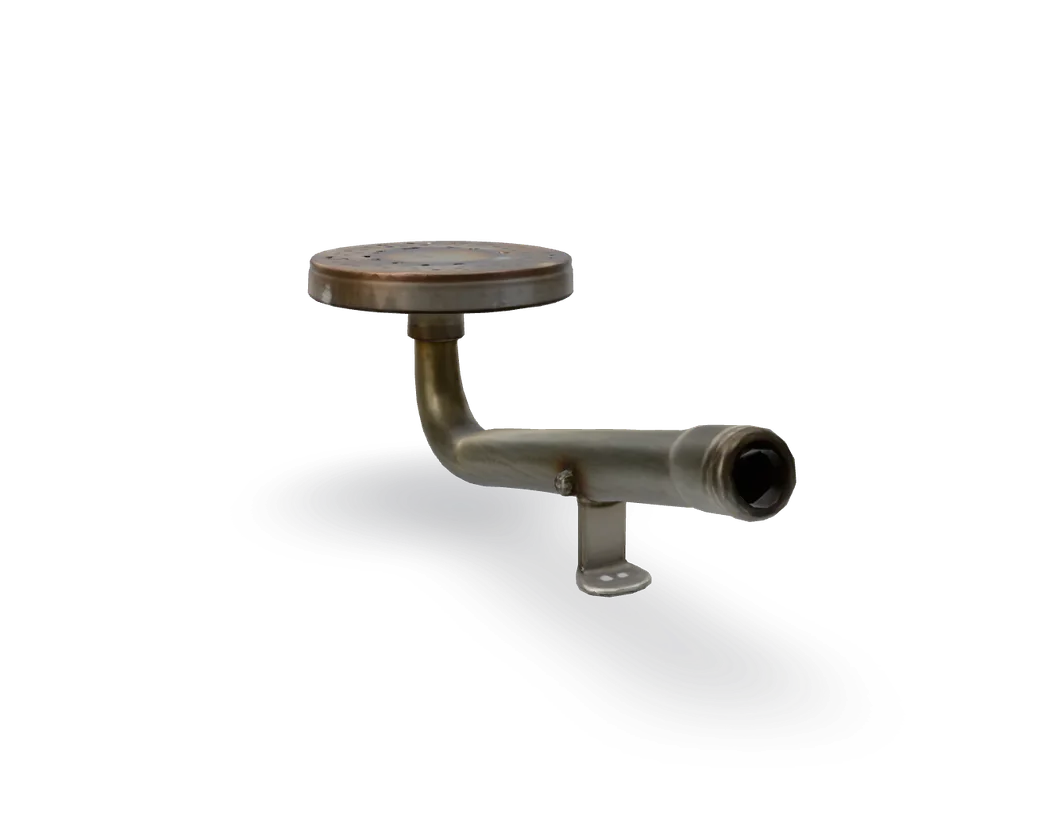
Water heater burner: signs of trouble and when to call a pro
The burner is the ring of flame under the tank that does the actual heating. Yellow flames, soot or a burner that keeps shutting down mean it needs a pro.
- Who fixes it
- A licensed pro
- Typical pro cost
- $250–$750
- Typical burner replacement. Varies widely by region and heater
Gas and combustion work. The burner sits in a sealed chamber on most modern heaters. Removing it means disconnecting gas tubes from the control, replacing the door gasket and checking for leaks. Pros only.
What it does
What the burner does
Gas water heaters only. The burner assembly sits in the combustion chamber under the tank. A gas tube feeds it from the gas control valve, and the pilot sits right next to it.
When the water cools, the gas control opens and the pilot lights the burner. The burner mixes gas with air drawn in at the base of the heater and fires a flame up against the bottom of the tank. The hot exhaust rises through the flue and leaves through the draft hood and vent on top.
The burner's gas orifice is sized for your gas type. Natural gas and propane burners are not interchangeable.
Why it fails
A common trouble is dirt, not wear. Dust, lint and debris get into the burner's air opening and upset the mix of gas and air. The flame turns yellow, which makes soot and carbon monoxide.
Newer heaters draw air in through a screen at the base, called the flame arrestor. When lint clogs it, the flame starves for air and a safety switch shuts the heater down.
Soot itself makes things worse. It coats the burner and the flue and gets in the way of clean burning, so a sooty heater needs a pro soon, not someday.
Symptoms
Signs the burner is failing
Yellow or unsteady flame
A healthy burner flame is blue. A yellow, lazy or unstable flame means the burner is not getting the right mix of air and gas. It can make carbon monoxide. Turn the control to OFF as the label shows and call a pro.
Soot on or around the heater
Black soot near the burner door, on top of the tank or around the vent is not normal. It is a sign of poor burning and a carbon monoxide warning.
Pilot or burner keeps going out
Pilot outages and a heater that shuts itself down can mean the burner is starved for air, often from lint at the base.
Full diagnosisNot enough hot water
A heater whose burner keeps getting shut down for lack of air can leave you short of hot water. A pro checks the burner and its air supply.
Full diagnosis
Safety first
Stay safe until it is fixed
- 1
Smell gas? Leave first
Do not light anything, touch electrical switches or use a phone inside. Leave the house right away and call your gas utility from outside or a neighbor's phone.
- 2
CO alarm going off? Get out
Get everyone, pets included, outside into fresh air and call 911. Do not go back in until emergency responders say it is safe.
- 3
Turn the control to OFF and leave it
If you see a yellow flame or soot, turn the gas control knob to OFF as the label shows and call for service. Do not open the burner chamber.
What a pro does
What to expect from the service call
- Look at the burner flame and check for soot in the chamber, on the flue and at the vent.
- Check that the heater gets enough combustion air, including the flame arrestor screen at the base.
- If the burner is at fault, shut off the gas and clean it or fit a new one matched to the heater and its gas type, following the heater maker's service instructions.
- Check every gas connection they touched for leaks, relight per the label, and check for a clean blue flame and good venting.
Know your limits
When to call a pro
Stop and call a pro if
- You smell gas at any point. Leave the house and call your gas utility from outside.
- The burner flame is yellow, lazy or unsteady.
- You see soot on the heater, the burner door or the vent.
- The heater keeps shutting itself down or the pilot keeps going out.
- The screen at the base or the burner area looks scorched or discolored. A pro decides whether the heater can be repaired at all.
FAQ
Burner assembly questions
Can I clean the burner on my water heater myself?
Not the burner itself. On most modern heaters it sits in a sealed chamber, and getting it out means disconnecting gas tubes and fitting a new door gasket. That is pro work.
What you can do is follow the manual's housekeeping advice: vacuum around the base of the heater regularly to keep dust, dirt and lint away from where it draws in air.
What color should the burner flame be?
Blue. A yellow flame means the burner is not getting enough air, and it can make soot and carbon monoxide. Turn the heater off at the control and call a pro.
Is soot on my water heater dangerous?
It is a warning sign. Soot means the gas is not burning cleanly, which also makes carbon monoxide. Make sure you have a working CO alarm, and have a pro check the burner and the draft hood and vent.
How much does a water heater burner replacement cost?
Typically about $250 to $750 with a pro, part included, though quotes vary a lot. On an older heater, ask whether replacing the heater makes more sense.
Related
Keep going
- SymptomWater heater not making enough hot waterThe shower starts hot and goes cold too soon, or the water is never more than warm. Check the temperature setting first, then the lower element and thermostat on electric units, the dip tube and sediment.Open guide
- SymptomWater heater pilot won't stay litThe pilot lights but goes out, or will not stay on after you follow the lighting instructions. The usual cause is the thermocouple. A dirty pilot, a clogged air intake or the gas control can do it too. Repairs are pro work.Open guide
- SymptomWater heater not heating: no hot waterEvery hot tap runs cold. On an electric heater it is usually power, a tripped high-limit reset, an element or a thermostat. On a gas heater, start with the gas supply and the pilot.Open guide
- Water heater partPilot assemblyGas water heaters only. The pilot assembly makes the small, steady flame that lights the main burner. A dirty or worn pilot will not stay lit. Cleaning or replacing it is pro work on sealed-chamber heaters.Open guide
- Water heater partGas control valveGas water heaters only. The gas control valve is the heater's thermostat and gas valve in one. It decides when gas reaches the burner and shuts it off if something is wrong. Testing or replacing it is pro work.Open guide
- Water heater partDraft hood and ventGas water heaters only. The draft hood on top of the tank joins the flue to the vent pipe that carries exhaust outside. If exhaust spills back into the room, called backdrafting, it brings carbon monoxide with it. Vent work is for a pro.Open guide