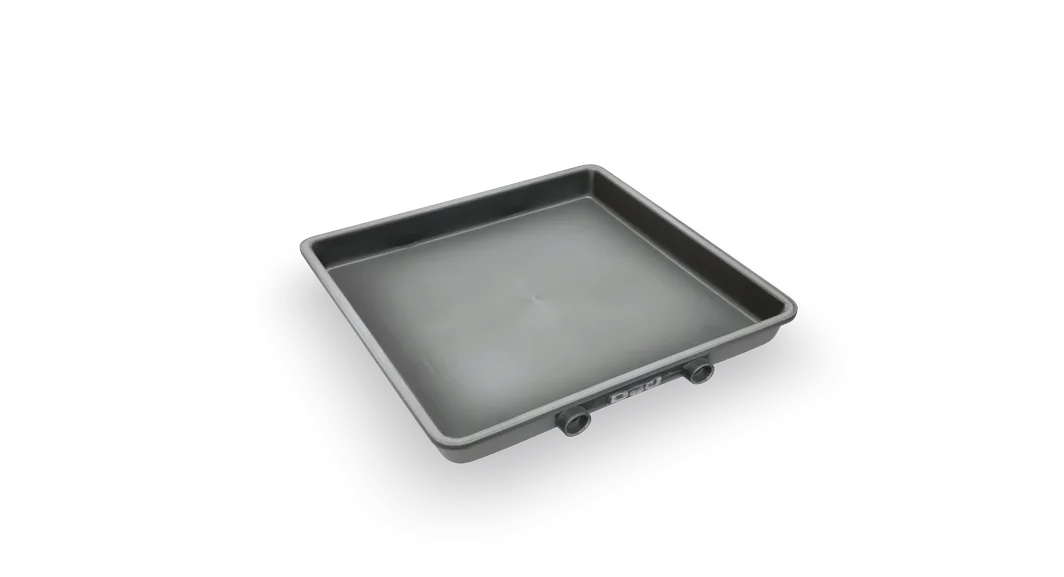
Air handler condensate drain: clear the line and the trap
Water in the pan, or a system that shut itself off on a hot day? A clogged drain line is the usual suspect, and a wet/dry vac at the outside end clears most of them in under half an hour.
- Difficulty
- Easy
- Time
- 20–45 min
- Typical part cost
- $0–$10Pro: $75–$250
- Tools
- 4See the list
No parts to buy and nothing electrical to take apart. The work is finding the right pipe, getting a good seal with the vac, and knowing what not to pour in.
What it does
What the condensate drain does
When the indoor coil runs cold, moisture from the air condenses on it and drips into the drain pan under the coil. The pan has a primary drain connection, and often a secondary one, each feeding its own pipe.
The primary line runs through a U-shaped trap close to the unit, then away to a floor drain, a pump or outside. The trap holds a little water as a seal, so the blower cannot suck air back up the pipe and stop the water from draining.
The secondary line is a backup. It is meant to end somewhere you will notice it. Water coming out of it means the primary drain is plugged and needs attention right away.
Why it fails
Slime, algae, dust and debris build up in the line and the trap over time. Once the pipe is blocked, the water has nowhere to go and the pan fills.
A trap that has dried out over the winter can also stop the line draining at the start of the cooling season. Priming it with water fixes that.
When the pan or the drain line fills, a float switch lifts and cuts the low-voltage control circuit. The system shuts off to keep water from overflowing.
Symptoms
Signs of a bad condensate drain
Water in the pan or dripping from the backup drain
Water in the secondary pan under the unit, or dripping from the secondary drain pipe, means the primary line is plugged.
Full diagnosisCooling shut off and will not restart
A full pan or line lifts the float switch, which cuts the control circuit. The system stays off until the water drops.
Full diagnosisNothing comes out the outside end
On a humid day with the cooling running, the end of the drain line should drip. A dry end with water in the pan points to a clog between them.
How to test it
Test the condensate drain before you buy
- Turn the system off at the thermostat, then at the breakers and the disconnect.
- Find the cleanout on the primary drain line, usually a capped tee near the unit. Take the cap off.
- Slowly pour a cup or two of water into the tee and watch the outside end of the line.
- Good
- The water runs out the far end within a short time and the tee does not fill up. The line is open.
- Bad
- The water backs up in the tee, or only a trickle reaches the far end. The line or the trap is clogged. Clear it with the steps below.
Safety first
Before you touch anything
- 1
Turn it off at the thermostat, the panel and the disconnect
Set the thermostat to off. Then turn off every breaker that feeds the air handler and the disconnect switch beside it. One with heat strips runs on 240 V and often has two breakers or a double breaker. If you open any panel on the unit, check with a voltage tester at the unit before you reach in.
- 2
No bleach, chlorine tablets or drain openers
One air handler maker warns that chlorine cleaners and chlorine pan tablets can corrode the aluminum coil. Bleach can also attack the plastic drain pipe and its glued joints. Skip household drain openers too: another maker advises against store-bought drain line cleaners and suggests calling a technician for a stubborn clog. Use water or distilled vinegar, and follow your air handler's manual if it says otherwise.
Tools you'll need
Grab these first
Tool and part links are affiliate links. We may earn a commission at no extra cost to you, and it never changes what we tell you to check first. How this works
- Shop vacuumSucks the clog out of the drain line from its outside end. Use one that handles water.Typically $40–$90Shop this tool
- Bucket5 galCatches water from the cleanout and lets you pour a measured flush down the line.Typically $4–$10Shop this tool
- Shallow pan and towelsSoaks up and catches water around the unit and under the cleanout.Typically $5–$15Shop this tool
- Nitrile glovesWhat comes out of a clogged drain line is slimy.Typically $8–$15Shop this tool
- Non-contact voltage testerPen styleOptionalOnly needed if you open a panel on the air handler. Prove the power is off first.Typically $15–$30Shop this tool
- HeadlampOptionalAir handlers live in dark closets, attics and crawl spaces.Typically $12–$30Shop this tool
Step by step
How to clean the condensate drain
- 1
Turn the system off
Set the thermostat to off.
Turn off every breaker that feeds the air handler. One with heat strips often has two breakers or a double breaker. Then switch off the disconnect beside the unit.
Tip. You will not open the air handler's electrical compartment for this job. If you do take a panel off, check with a voltage tester at the unit first.
- 2
Find the drain line and the trap
Look for a plastic pipe coming out of the drain connection near the bottom of the coil section. Follow it to where it dips down and back up in a U shape. That is the trap.
Between the unit and the trap there is often a short vertical tee with a cap or plug on top. That is your cleanout. Then follow the line to where it ends: outside, at a floor drain, or at a small condensate pump.
If a second pipe comes off a higher connection on the pan, that is the secondary drain. Leave it alone unless it is the one dripping.
- 3
Check the pans and the float switch
If there is a secondary pan under the unit, look for standing water. Vacuum it out with the wet/dry vac or soak it up with towels.
Look for a float switch on the pan edge or on the drain line. If it tripped, it will reset by itself once the water level drops.
- 4
Vacuum the clog out from the outside end
Take the filter out of the wet/dry vac, or fit a wet filter, so it can pick up water.
Press the vac hose over the outside end of the drain line. Wrap a rag around the joint and hold it tight so the vac pulls through the pipe instead of the air around it.
Run the vac for a few minutes. You may hear the clog break free and see slime and water in the canister.
- 5
Open the cleanout and flush the line
Take the cap off the cleanout tee near the unit.
Pour in a cup of distilled white vinegar or warm water. Let vinegar sit for a while to loosen the buildup. Then pour in plain water slowly and watch it run out the far end.
Do not pour bleach, chlorine tablets or household drain openers into the line or the pan. If your air handler's manual names a cleaner, use that one.
- 6
Prime the trap and cap the cleanout
Once the water runs freely, pour in a little more so the trap is full. A full trap is the seal that lets the line drain while the blower runs.
Put the cap back on the cleanout tee. Left open, the tee lets air blow out of it while the blower runs.
- 7
Turn it back on and watch it drain
Switch the disconnect and the breakers back on, then set the thermostat to cool.
After the system has run a while on a humid day, check the outside end of the line. A steady drip means the water is getting out.
The float switch maker's instructions say to test the switch after every drain cleaning. Lift the float with the cooling running. The system should stop. See the float switch guide.
Buy the part
Get the right replacement
Buy the part
Condensate drain pan and line
Opens Amazon in a new tab. Where’s my model number?
What to look for
- A wet/dry vac adapter that fits your drain pipe's size, so you get a tight seal at the outside end.
- Plain distilled white vinegar. Skip bleach and chlorine pan tablets.
- A replacement cap or plug for the cleanout tee if yours is cracked or missing.
No air handler part is needed for this job. A wet/dry vac you already own does the work. An adapter just makes the seal easier.
Know your limits
When to call a pro
Stop and call a pro if
- The vac and a flush do not clear the line, or it clogs again within weeks.
- Water is leaking from the unit itself, the pan is cracked or rusted, or water is reaching a ceiling or the floor below.
- The line ends at a condensate pump and the pump does not run or its tank stays full.
- The coil is iced over. Let it thaw with the cooling off, and have a pro find out why it froze.
- You would have to take apart refrigerant lines, the coil or the coil's insulation to reach the pan. Those are licensed pro jobs.
FAQ
Condensate drain pan and line questions
Can I pour bleach down my AC drain line?
Skip it. One air handler maker warns that chlorine cleaners and chlorine pan tablets can corrode aluminum coils, and bleach can attack the plastic drain pipe and its glued joints. Distilled vinegar or plain water is the safer flush. If your manual names a cleaner, follow it.
Why is water coming out of the second drain pipe?
That is the secondary drain doing its job. It only runs when the primary drain is plugged, so clear the primary line soon.
Why does the drain line have a U-shaped trap?
On most air handlers the blower pulls air through the coil section, which pulls on the drain too. The water in the trap seals the pipe so air cannot be sucked back up it, which would stop the pan draining. If the line connects to a sewer drain, the trap also keeps sewer gas out.
Why did my system shut off when the drain clogged?
A float switch on the pan or the drain line lifts when the water gets too high and cuts the low-voltage control circuit. That stops the system before the pan overflows. Once the water drains, it resets on its own.
Related
Keep going
- SymptomWater in the air handler drain pan: pan full or system shut offWater is backing up in the drain pan under the coil, or in the pan under the unit, and the system may have shut itself off. A clogged condensate drain is the usual cause. A stuck float switch, a coil that froze and melted, or a cracked pan are the others.Open guide
- SymptomAir handler coil frozen: ice on the evaporator coil or linesThe indoor coil has iced over, so little or no cool air reaches the vents. Turn the system off or to fan only and let it thaw. Then check the filter, the return grilles and the blower. If it keeps freezing, low refrigerant is a job for a certified pro.Open guide
- Air handler partFloat switchFor heat pump and central air handlers, including units with electric heat strips. The float switch sits on the drain pan or the drain line. When water rises, the float lifts and cuts the low-voltage control circuit so the system shuts off before the pan overflows.Open guide
- Air handler partAir filterFor heat pump and central air handlers, including units with electric heat strips. The filter cleans the air before it reaches the blower and coil. A clogged one chokes airflow, which can freeze the coil in summer and trip the heat strips in winter. Check it monthly.Open guide
- Air handler partEvaporator coilThe evaporator coil is the A-shaped coil of refrigerant tubing and thin fins inside the air handler. House air passes through it to be cooled. A dirty coil chokes the airflow, ice blocks it, and a leak leaves the system low on refrigerant. Coil service is pro work.Open guide
Get the next fix before it breaks
A short email when the seasons turn: filters to change, detector batteries to check, and new repair guides. No spam, unsubscribe any time.
We send it with Kit. Privacy