Furnace burners: signs of trouble and when to call a pro
The burners are where the gas turns into heat. When they get dirty or rusty, you can usually hear it or see it. Cleaning or replacing them is a job for a licensed pro.
- Who fixes it
- A licensed pro
- Typical pro cost
- $100–$300
- Typical burner repair. Basic cleaning is at the low end
Gas and combustion work. Getting at the burners means disconnecting the gas manifold and checking it for leaks afterward. Licensed pros only.
What it does
What the burners does
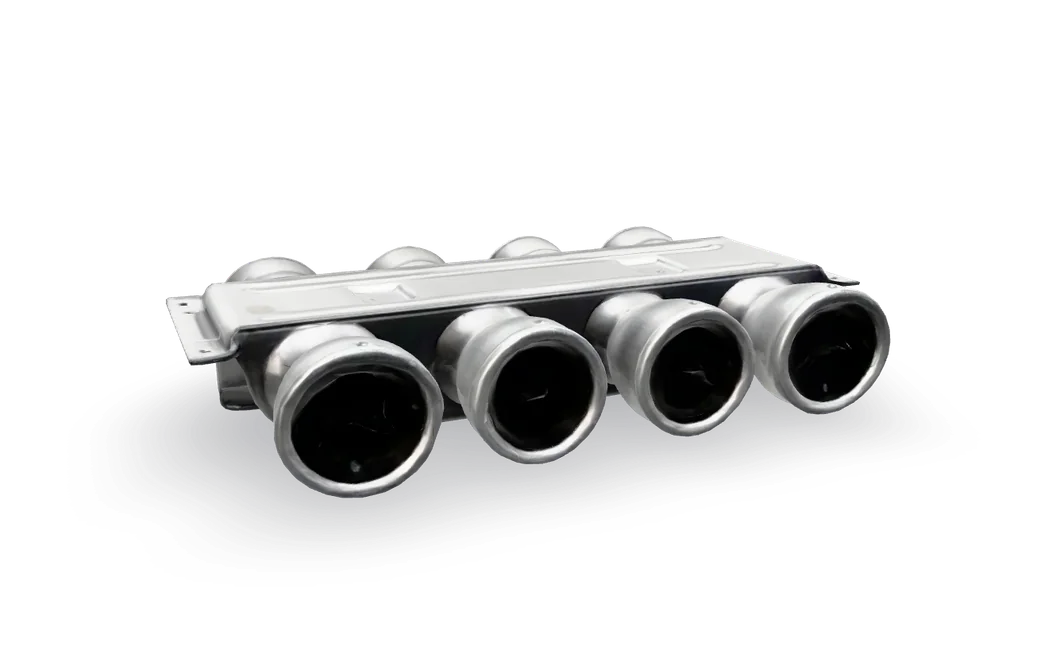
The burner assembly is a row of short metal burners mounted in the upper compartment. Gas reaches them from the gas valve through a pipe called the manifold.
Each burner mixes gas with air and fires a flame into the heat exchanger. Healthy flames are bright blue and steady, with a clear blue inner cone.
Why it fails
Burners do not wear out quickly, but they do get dirty. Dust, lint, debris and rust flakes collect in and around the burner openings, especially in dusty or damp spots.
Moisture is the other enemy. It rusts the burners and drops scale onto them, which blocks the openings.
When the openings clog, the gas and air mix goes wrong. The row lights late, the flames look poor, and the furnace may shut down because the flame sensor does not see a good flame.
Symptoms
Signs the burners is failing
A boom or bang at start-up
The burners light late, with a bang instead of a soft whoosh. That is delayed ignition, and dirty burners are a common cause. Switch the furnace off and call a pro.
Full diagnosisFlames that are not bright blue
Healthy flames are bright blue and steady. Yellow, weak, erratic or uneven flames mean the gas and air mix is off. Dirty burners are a common reason.
Lights, then shuts off
The burners light and then cut out. Dirt on the burners is one of the causes a pro checks, along with the flame sensor.
Full diagnosisSoot or scorch marks
Soot around the burner area, or scorch marks and melted wiring near the burner compartment. Flame may be rolling out where it should not. Shut it down and call a pro.
Rust flakes on or under the burners
Rust flakes, soot or debris on the burners or the burner tray, often found during a yearly inspection. They can block the burner openings. Leave the cleaning to a pro.
Safety first
Stay safe until it is fixed
- 1
Smell gas? Leave first
Do not light anything, touch electrical switches or use a phone inside. Leave right away and call your gas supplier from a neighbor's phone or outside. If you cannot reach them, call the fire department.
- 2
CO alarm going off? Get out
Get everyone, pets included, into fresh air and call 911 from outside. Do not go back in until emergency responders say it is safe.
- 3
Bangs or rollout? Switch it off
If the furnace lights with a bang or you see flame outside the burner area, switch it off at the service switch and leave it off. Do not reach into the burner area or try to light it.
What a pro does
What to expect from the service call
- Watch a full start-up to see how the burners light, whether flame carries across the whole row, and what the flames look like.
- Shut off the gas and power, then clean the burners and check them for rust, damage and alignment.
- Look for the source of any moisture or rust, so the burners do not foul up again.
- Check the flame rollout switches and the heat exchanger while they are working in that area.
- Put everything back, check the gas connections they opened for leaks, and watch several heating cycles.
Know your limits
When to call a pro
Stop and call a pro if
- You smell gas at any point. Leave the house and call your gas supplier from outside.
- The furnace lights with a boom, a bang or a puff of flame.
- Flames are yellow, weak, erratic, lifting off the burners, or rolling out toward you.
- You see soot, scorch marks or melted wires around the burner area.
- A flame rollout switch has tripped. It needs a manual reset, and a pro should find out why it tripped before anyone resets it.
- Rust, soot or debris is collecting on the burners.
FAQ
Burner assembly questions
Can I clean my furnace burners myself?
We do not cover it, and we recommend a pro. Getting the burners out means disconnecting the gas manifold, and putting it back means checking for leaks. Furnace manuals leave burner service to qualified technicians.
What you can safely do is keep the area around the furnace clean and dry, and change the air filter on schedule.
Why does my furnace boom when it starts?
Usually it is delayed ignition. Gas builds up for a moment before it lights, then lights all at once. Dirty or clogged burners are a common cause. Others include a weak igniter, wrong gas pressure or misaligned burners. Repeated bangs at ignition mean shut the furnace down and have it inspected.
What color should furnace flames be?
Bright blue and steady, with a clear blue inner cone. Flames that stay yellow, look erratic, or float away from the burner mean something is wrong with the gas and air mix. Call a pro.
How often should burners be cleaned?
Have the furnace inspected by a pro once a year, before the heating season. Burner cleaning is part of that visit when the burners need it.
Related
Keep going
- SymptomFurnace making loud or unusual noisesSqueals and grinding usually mean a worn motor or a loose blower wheel. Rattles mean something is loose. Humming points to a motor or capacitor. A boom at start-up is delayed ignition and needs a pro.Open guide
- SymptomFurnace lights, then shuts off after a few secondsThe burners light, then go out a few seconds later. The furnace waits, tries again, and eventually locks out. A dirty flame sensor is the usual cause, and cleaning it is a 15-minute job.Open guide
- SymptomFurnace clicks but won't igniteThe inducer runs and the gas valve clicks, but the burners never light. After a few tries the furnace locks out. The usual culprit is a cracked igniter.Open guide
- Furnace partGas valveThe gas valve opens to let gas reach the burners and closes when the control board says stop. Several cheaper parts cause the same symptoms. Testing or replacing the valve is licensed pro work.Open guide
- Furnace partHeat exchangerThe heat exchanger is a set of sealed metal tubes the flames fire into. It keeps exhaust gases out of your home's air, and a crack can let carbon monoxide through. Diagnosis and repair are for a licensed pro.Open guide
- Furnace partFlame sensorThe flame sensor is a thin metal rod that proves the burners are really lit. A dirty one is a classic reason a furnace lights and then shuts off seconds later. Cleaning it, or swapping it, is a one-screw job.Open guide