Heat pump water heater compressor and refrigerant: when to call a pro
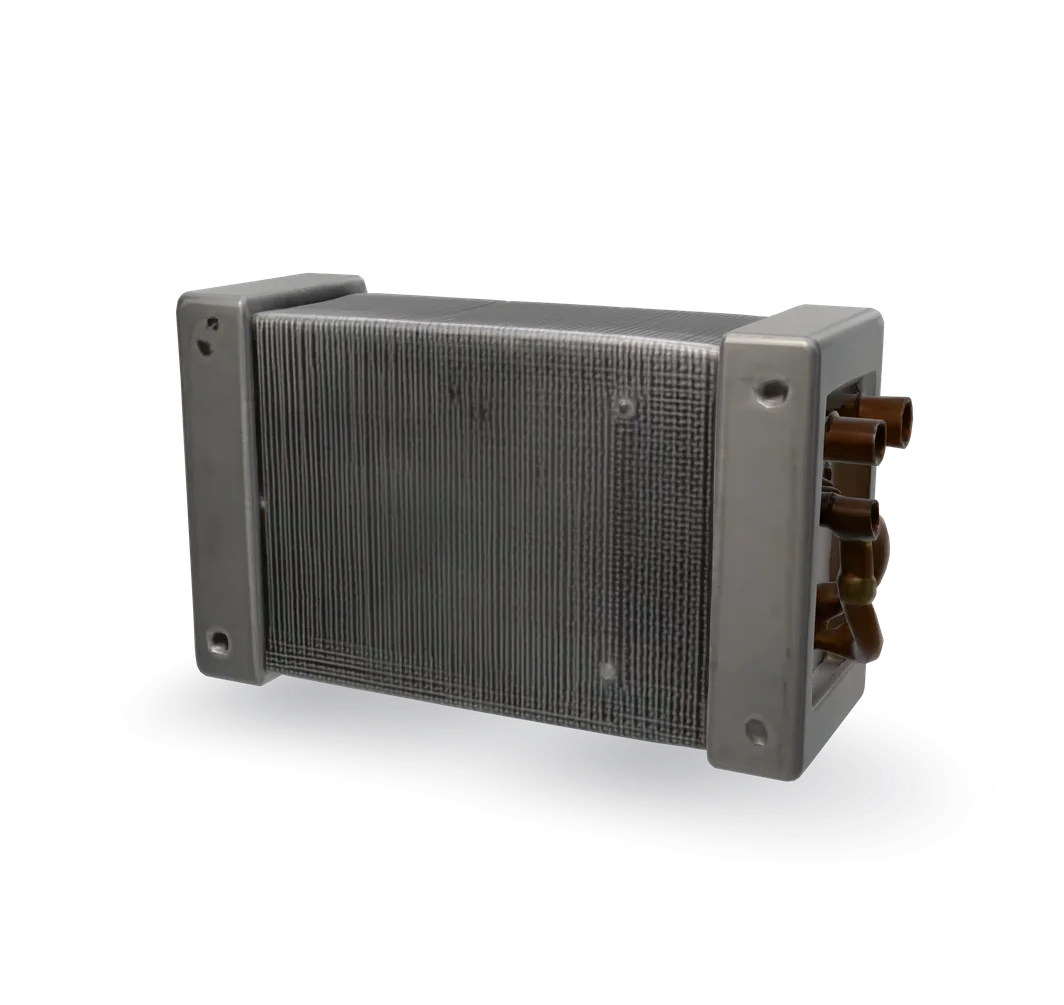
The compressor, the evaporator coil and the copper tubing between them are a sealed loop of refrigerant. You can rule out the easy causes. Anything inside the loop is a job for an EPA-certified technician.
- Who fixes it
- A licensed pro
- Typical pro cost
- $200–$2,500
- Rough figure borrowed from home heating and cooling heat pump repairs, from a leak repair to a compressor. Under warranty, many makers replace the whole heater
Certified work. Finding a leak, opening the refrigerant loop, brazing and recharging need EPA certification, recovery equipment and gauges.
What it does
What the sealed system does
A heat pump water heater moves heat instead of making it. The fan blows room air across the evaporator coil, which is full of cold refrigerant. The refrigerant picks up heat from the air.
The compressor squeezes that refrigerant, which makes it hot, and pushes it to the condenser, where it gives its heat to the water in the tank. Then it flows back to the coil and does it again.
The whole loop is sealed at the factory: the compressor, the coil, the valve and the piping between them.
Why it fails
Refrigerant can leak out of the loop. With too little, the heat pump cannot move enough heat, and many units flag a fault.
The compressor can fail, or stop being able to start. Many units show a compressor fault code when that happens.
Good news: a heat pump that will not run is often something simpler. A dirty filter, a blocked condensate drain, or a room that is too cold or too hot all stop the heat pump or switch it to the elements. Rule those out first.
Symptoms
Signs the sealed system is failing
Always in electric mode
The filter is clean, the drain is clear and the room is in range, but the heater never runs the heat pump and heats on the elements only.
Full diagnosisCompressor or refrigerant fault code
The display shows a code your manual lists for the compressor, high discharge temperature or low refrigerant. Note the code for the pro.
A damaged tube or a hiss
A copper tube in the top section was bent or knocked, or you hear a hiss from it. Refrigerant may be escaping. Follow the safety steps below.
Fan runs, no cool air out
The heat pump has been running a while, but the air coming out of the unit is no cooler than the room. It may not be taking heat from the air.
Safety first
Stay safe until it is fixed
- 1
Power off if a tube is damaged
If a tube was bent or punctured, or you hear a hiss, turn off the water heater's breaker or unplug it, keep flames and sparks away, open a window and leave the area until the hiss stops. Some newer units use a flammable refrigerant. Then call a pro.
- 2
Do not open or top it up
Federal rules prohibit knowingly releasing refrigerant and require an EPA-certified technician to service a sealed refrigerant system. Do not open fittings or add refrigerant from a can.
What a pro does
What to expect from the service call
- Rule out the filter, the condensate drain, the fan and the room temperature, so the sealed system is really the problem.
- Read the fault code and check the compressor, its starting parts and the temperature sensors.
- Check the system with gauges and look for a leak if the charge is low.
- Recover the refrigerant, repair or replace the leaking part or the compressor, then pull a vacuum and recharge to the amount on the rating label.
- Under warranty, contact the manufacturer first. Many replace the whole heater rather than the compressor.
Know your limits
When to call a pro
Stop and call a pro if
- The heater only ever runs on the elements, with a clean filter, a clear drain and the room in the allowed range.
- The display shows a compressor or refrigerant fault code.
- You damaged a tube or the coil, or you hear a hiss.
- Anyone suggests adding refrigerant without finding and fixing the leak.
FAQ
Heat pump sealed system questions
Can I recharge my heat pump water heater myself?
No. The refrigerant loop is sealed, and servicing it takes EPA certification and equipment to recover refrigerant and pull a vacuum. If the charge is low, there is a leak that has to be found and fixed first.
Do I still have hot water if the heat pump fails?
Usually, yes. The backup heating elements can heat the tank in electric mode while you wait for a repair. It costs more to run, so get it looked at.
How do I know it is not something cheaper?
Clean the air filter, clear the condensate drain, make sure the fan runs, and check that the room is within the temperature range in your manual. If all of that checks out and it still will not run the heat pump, call a pro.
Is a failed compressor worth fixing?
Check the warranty first. Manufacturer warranties often cover the sealed system, and under warranty many makers replace the whole heater instead of the compressor. Out of warranty, a compressor job can cost about as much as a new heater, so get a quote for both.
Related
Keep going
- SymptomHeat pump water heater slow to recoverHeat pump water heaters only. The hot water runs out and takes a long time to come back. Check the operating mode, the air filter, the room's size and temperature, and the backup heating elements.Open guide
- Water heater partHeat pump air filterHeat pump (hybrid) water heaters only. A washable filter cleans the room air before the fan pulls it across the evaporator coil. When it clogs, the heat pump works harder, the filter light comes on, and many units fall back to the electric elements.Open guide
- Water heater partHeat pump evaporator fan motorHeat pump (hybrid) water heaters only. The evaporator fan in the top section pulls room air across the coil so the heat pump can take heat from it. When the fan fails, the heat pump cannot run. Most of these heaters run on 240 V, so the power goes off and stays off, verified with a tester.Open guide
- Water heater partHeat pump control boardHeat pump (hybrid) water heaters only. The control board runs the whole heater: the compressor, the fan, the backup elements and the display. A failed board can leave the heater dead or stuck on a fault. Most of these heaters run on 240 V, so the power goes off and the wiring is tested dead before you touch it.Open guide
Get the next fix before it breaks
A short email when the seasons turn: filters to change, detector batteries to check, and new repair guides. No spam, unsubscribe any time.
We send it with Kit. Privacy